

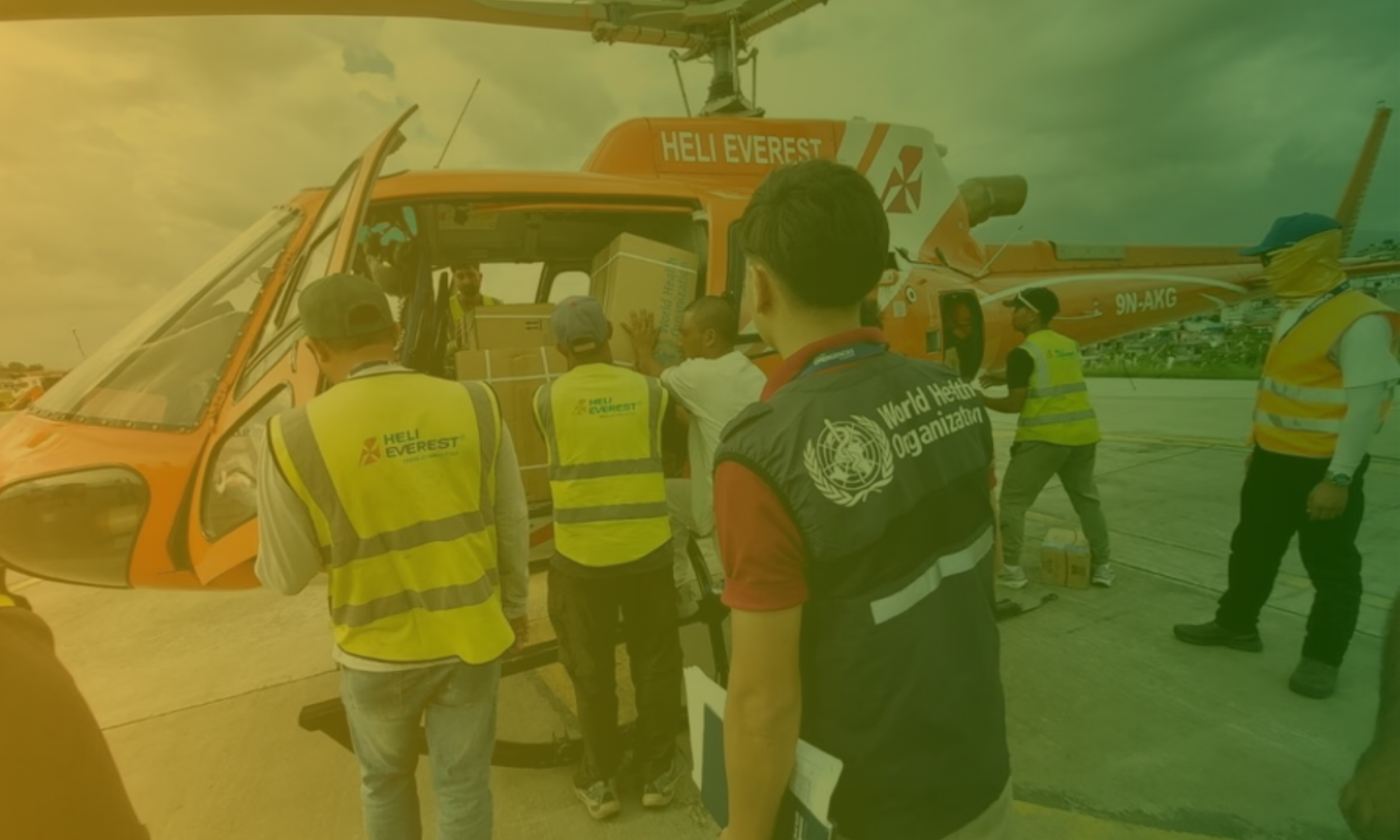
Tides of Contagion: Malaria, Waterborne Disease, and Public Health Collapse in the Indo-Pacific
WHO | GA
Across the Indo-Pacific, infectious diseases, such as malaria and waterborne diseases, continue to threaten public health. Communities with limited access to healthcare, sanitation, and disease prevention are more likely to face a public health crisis. Malaria remains a significant concern in the region, while the emergence of drug induced parasites has created additional challenges for governments looking to control the disease. Many countries have emphasized the need for coordinated action, stronger surveillance, cross-border cooperation, and improved access to prevention and treatment.
The World Health Organization must address how governments can strengthen public health systems before outbreaks develop into broader health crises. Delegates should consider strategies to improve disease surveillance and reporting, expand access to clean water and sanitation, strengthen infrastructure, and ensure vulnerable populations receive adequate care. Simultaneously, delegates must remember the very nature of foreign aid - oftentimes, developed countries utilize financial resources as a method to exert significant influence, often without care for short or long term impacts on developing countries.
It is the responsibility of the World Health Organization to develop coordinated and sustainable solutions that strengthen regional health security while respecting national sovereignty and addressing the public health needs of the Indo-Pacific.
Director General
Camille Wallis | camille@amerimunc.com
Tanvi Sood | tanvi@amerimunc.com
