

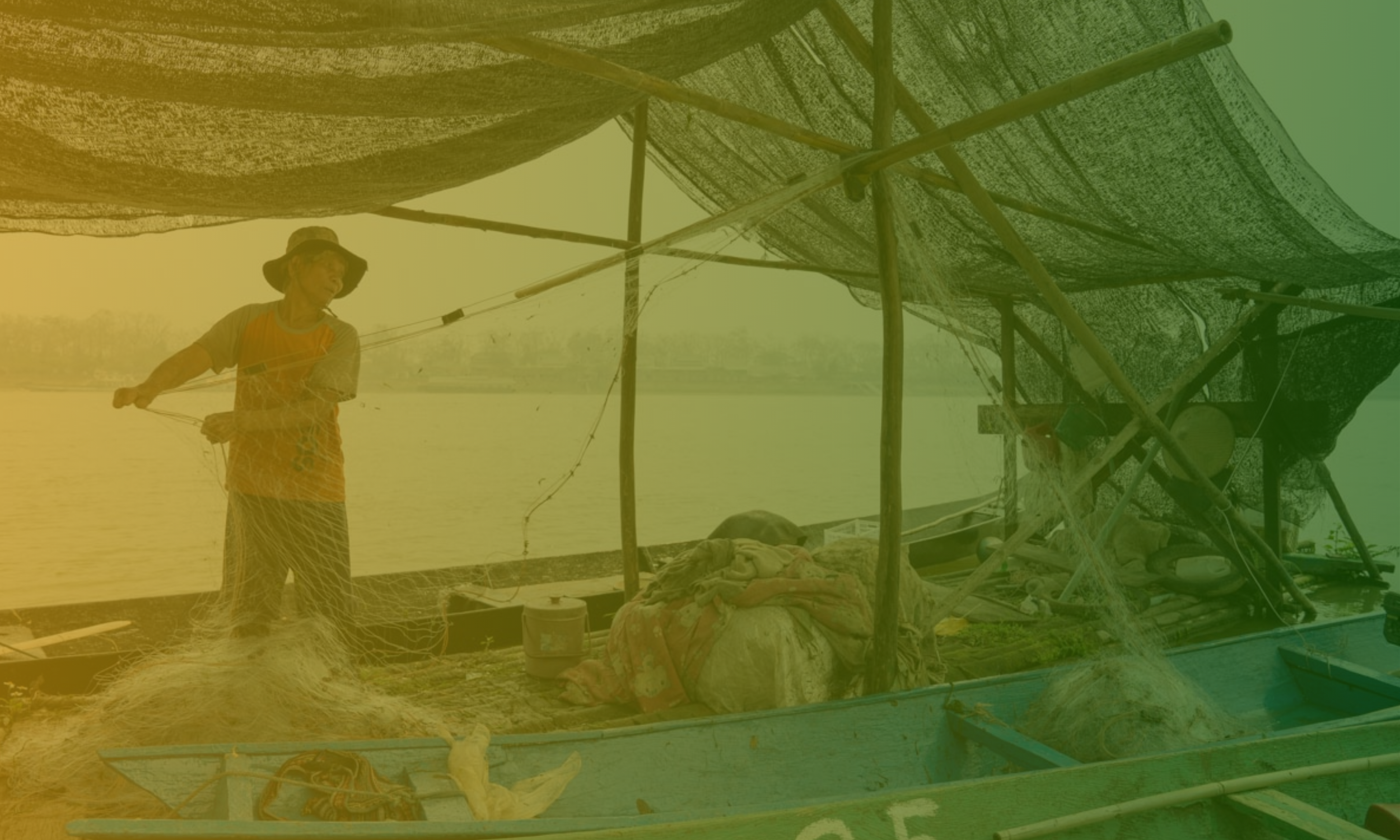
River of Tension: The Mekong River Water Crisis
Upstream Bloc | 2-Way Crisis
Originating in the Tibetan Plateau, the Mekong River flows through China and Laos before continuing into Southeast Asia, where millions of people depend on its waters for agriculture, fishing, transportation, and electricity. China has invested heavily in dams along the upper reaches of the river, while Laos has pursued hydropower development as a major source of national revenue. Although these projects offer opportunities for economic growth and energy production, changes to river flows and sediment transport can create serious consequences for downstream ecosystems and communities. Unfortunately, growing regional concerns over water access and environmental sustainability have only exacerbated the tensions.
The Bloc of the Upstream States, consisting of officials from the governments China and Laos, must determine how to pursue economic and infrastructural development, as well as national security, while managing tensions with downstream countries. Delegates should consider strategies for improving water-data sharing, coordinating dam operations, improving the sustainability of infrastructural development, and participating in regional negotiations without resorting to conflict or military posturing.
Director General
Camille Wallis | camille@amerimunc.com
Tanvi Sood | tanvi@amerimunc.com
