

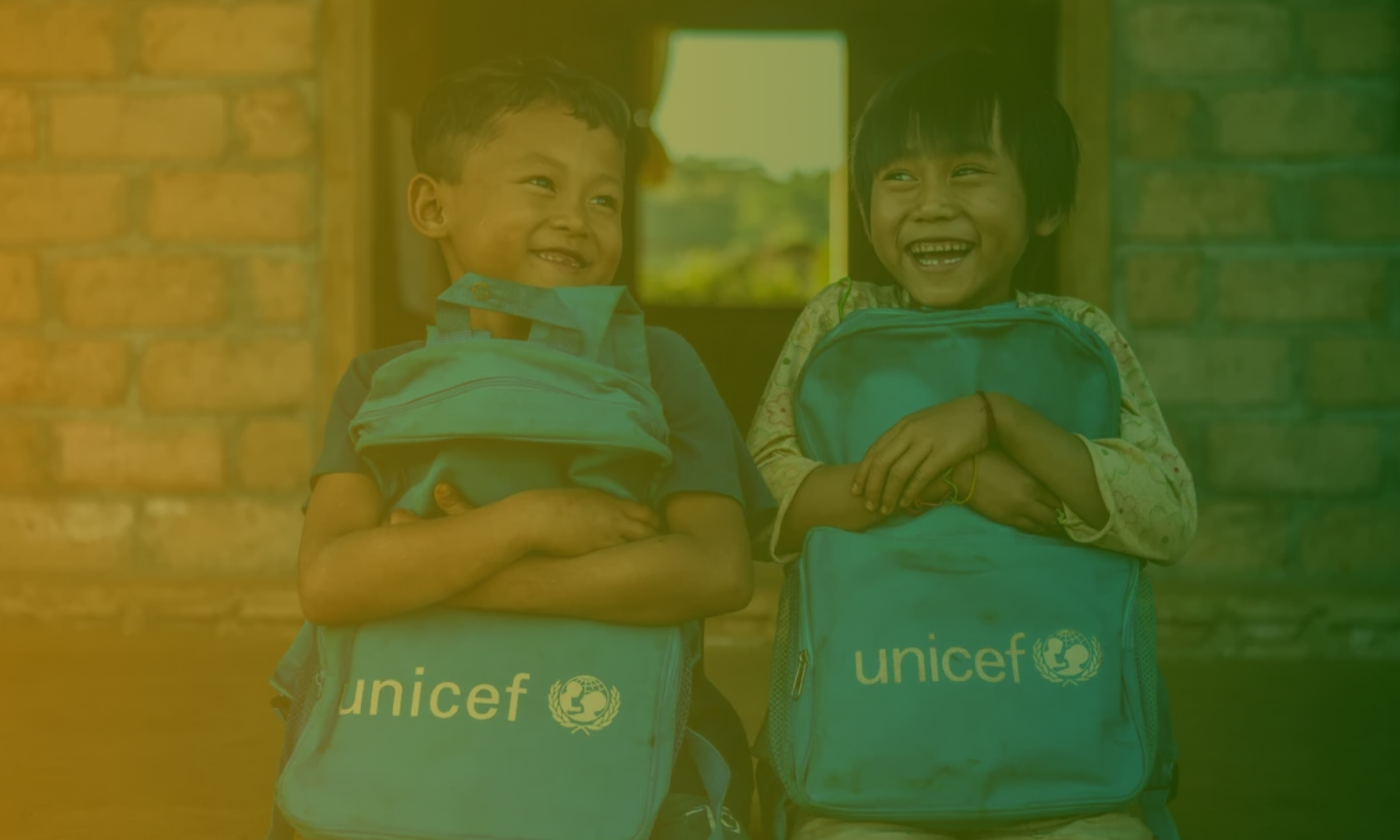
Stolen Futures: Child Labor and Educational Inequality in the Indo-Pacific
UNICEF | GA
Child labor and unequal access to education remain significant challenges across the Indo-Pacific. Particularly in communities affected by poverty, conflict, and limited access to essential services, children are often put in positions where they have no choice but to join the workforce. Children working in these environments may face hazardous conditions, economic and physical exploitation, and barriers to completing their education, creating cycles of poverty that can persist across generations. Educational inequality can be especially severe in rural, remote, and marginalized communities where school, transportation, and digital resources are limited.
UNICEF must address how governments can protect children from exploitation while ensuring that every child has access to safe, inclusive, and quality education. Delegates will consider strategies to strengthen child labor protections, expand educational infrastructure, improve access to remote and digital learning, and address the economic conditions that force children into work.
It is the responsibility of UNICEF to develop sustainable solutions that protect children’s rights, expand educational opportunities, and reduce the inequalities that prevent children across the Indo-Pacific from reaching their full potential.
Director General
Camille Wallis | camille@amerimunc.com
Tanvi Sood | tanvi@amerimunc.com
