

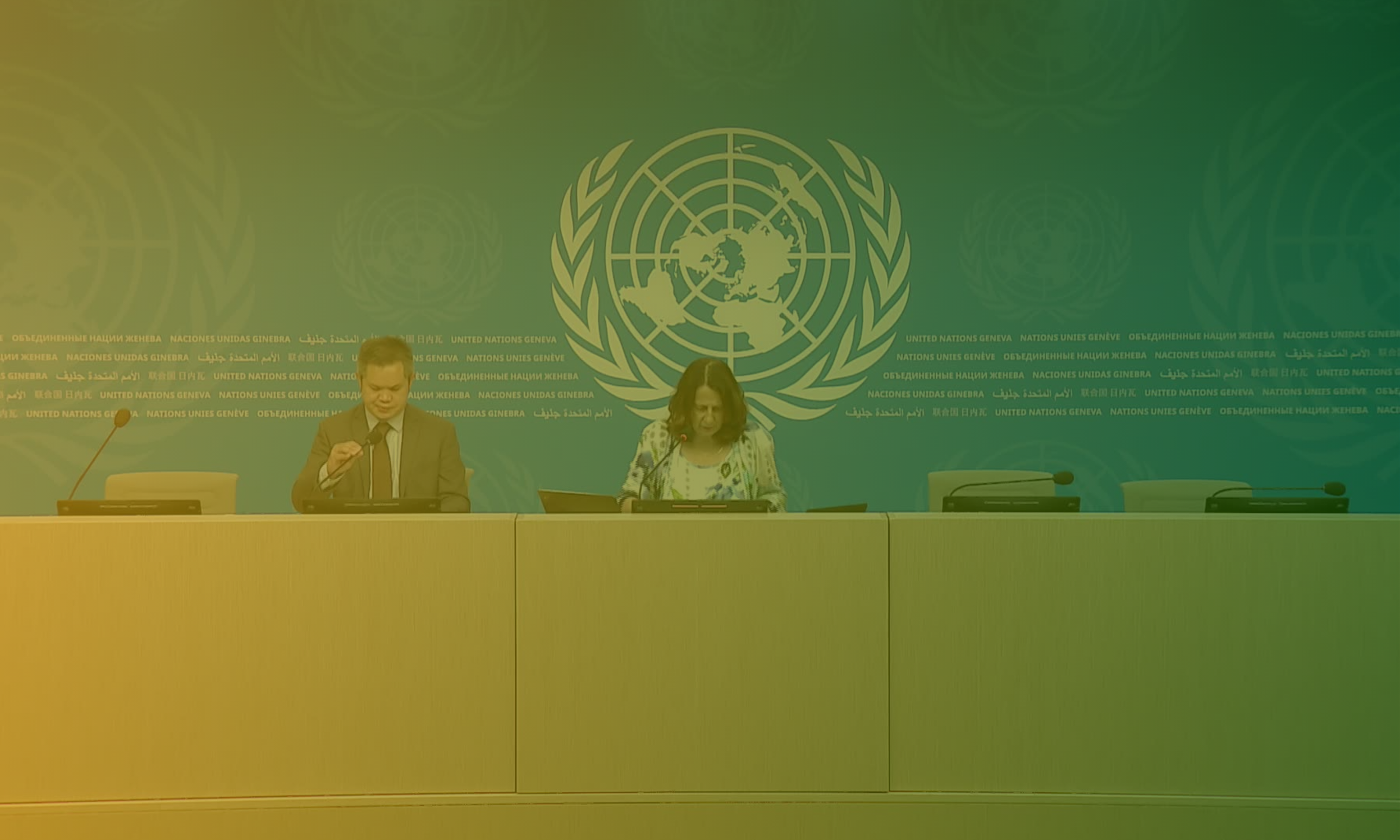
Broken States, Open Borders: The South Asian Migration and State Corruption Crisis
IPC | 6-Way Crisis
Across South Asia, corruption networks can extend through government offices, border agencies, recruitment companies, and powerful political interests, allowing abuses to persist behind closed doors. Corruption, including bribery, fraudulent documentation and abuse of public authority, can erode migration systems and deny vulnerable populations real protection. Exposing these practices also has its challenges: journalists can be censored with legal action and entirely misled on purpose. The reliability of leaked documents and anonymous sources can also, simultaneously, be incredibly difficult to establish. In times of crisis, where information - however true or untrue - can shift the public’s view and force political action, investigative journalism is a powerful tool to hold those in power to account.
Delegates will operate as journalists, editors, and representatives of various national media companies, racing to publish leaked documents/other evidence exposing bribery networks and corruption across all the other cabinets. Their “scoops” will force other cabinets to react, which has the potential to change the way other committees continue through session. Delegates must balance the urgency of breaking a story against the need to verify information, protect sources, and navigate political pressure. Ultimately, it is the responsibility of the consortium to uncover the truth and hold powerful actors accountable while determining how far journalists should go when the information they reveal could reshape the regional crisis.
Director General
Camille Wallis | camille@amerimunc.com
Tanvi Sood | tanvi@amerimunc.com
