

River of Tension: The Mekong River Water Crisis
Downstream Bloc | 2-Way Crisis
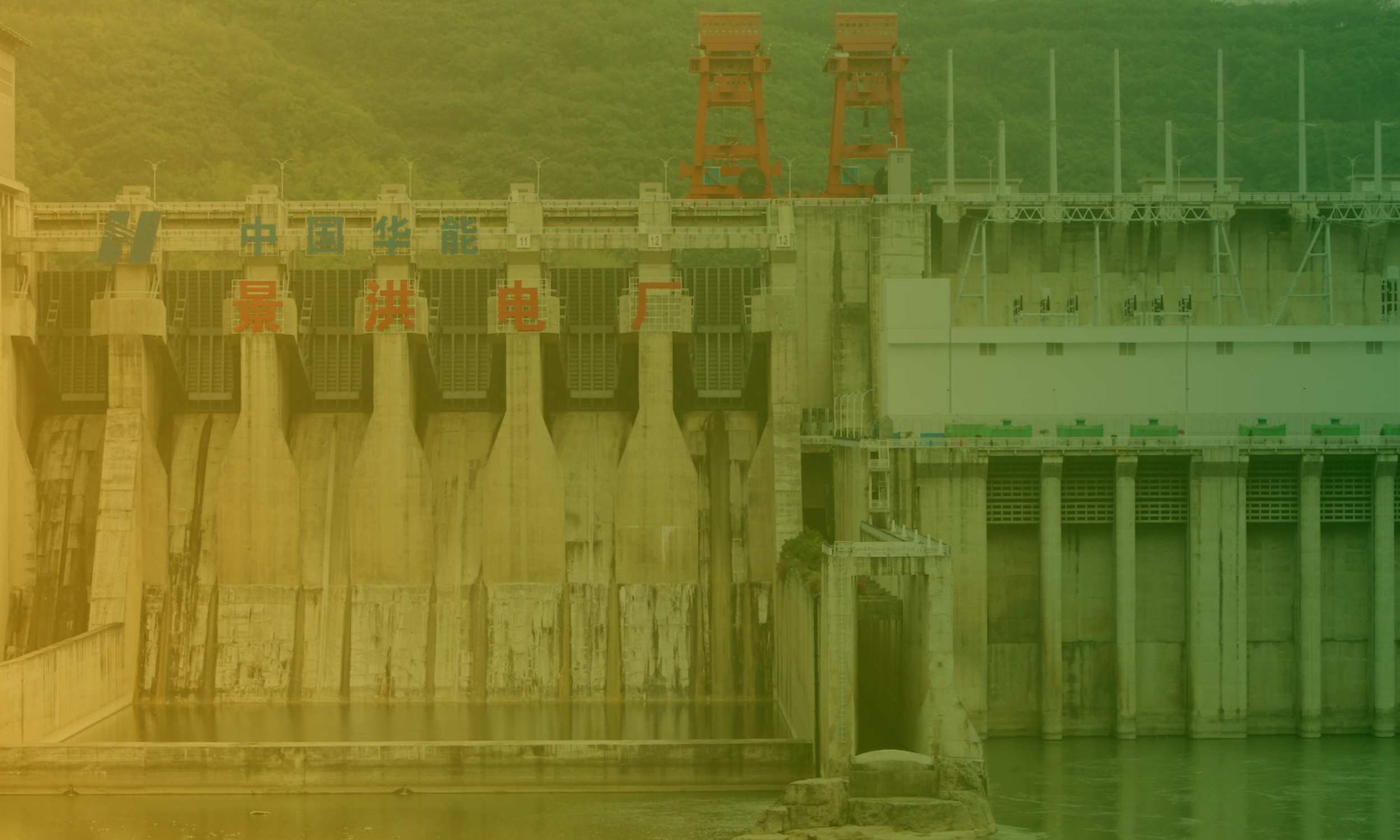
The Mekong River is vital to food security, economic livelihoods and environmental stability for communities across mainland Southeast Asia. Millions in Thailand, Cambodia and Vietnam depend on the river and its connected waterways for fishing, irrigation and agriculture. Cambodia’s Tonle Sap Lake is reliant on the Mekong River’s seasonal flow patterns to support its fisheries, and Vietnam’s Mekong Delta is an important agricultural area facing increasing threats from saltwater intrusion and changing water flows. There are concerns that dam building upstream, global warming, and other ecological stresses will disrupt river flows, reduce sediment and threaten communities that depend on the river.
The Bloc of the Downstream States, consisting of Thailand, Cambodia, and Vietnam, must determine how to protect shared water resources while responding to the economic and environmental consequences of upstream development. Delegates should look at ways to strengthen regional water-sharing agreements, improve access to hydrological data, protect fisheries and agricultural livelihoods, and negotiate with upstream governments over dam operations. The bloc needs to devise a coordinated approach that protects the ecological health of the river and the livelihoods of its people, while balancing national sovereignty and regional cooperation.
Director General
Camille Wallis | camille@amerimunc.com
Tanvi Sood | tanvi@amerimunc.com
